
seven chakra of human body
The seven chakras are the primary energy centers of the body, aligned vertically along the spine from its base to the top of the head. Derived from ancient Indian yogic and traditions, the word “chakra” translates to “wheel”, representing spinning vortexes of life force energy (prana) that govern your physical, emotional, and spiritual well-being.
Overview the Seven Chakras
The seven chakras are energy centers located along the spine, from the base to the crown of the head. Each chakra corresponds to particular physical, emotional, and spiritual functions, and they influence overall well-being when balanced. system originates from ancient Indian traditions and is often described as spinning wheels of energy (prana) interact with the body’s subtle energy networks.
Muladhara (Root) — of the spine
- Location: of the spine
-: Red - Element Earth
- Key qualities: Safety, stability, grounding, survival
- Balanced indicators: secure, connected to the body, practical and present
- Imbalance indicators: Anxiety, fear, restlessness, financial or housing concerns
- Practices to balance: Grounding exercises, regular routines, physical activity, nature time mindful breathing
Svadhisthana (Sac) — Lower abdomen
- Location: Lower abdomen, just below the navel
- Color: Orange
- Element: Water
- Key qualities: Creativity, sexuality, emotion, pleasure- Balanced indicators: Healthy relationships, flexible mindset, creative
- Imbalance indicators Control issues, emotional avoidance, lack of spontaneity
- Practices to balance: Creative expression, joyful movement, mindful embrace of, healthy boundaries
Manipura (Solar Plexus — abdomen
- Location: Upper abdomen, above the navel
- Color Yellow
- Element: Fire
- Key qualities: Confidence, willpower, personal
Balanced indicators: Self-assurance, boundaries, purposeful action - Im indicators: Power struggles, indecision low self-esteem
- Practices to balance: setting, assertiveness training, discipline, sunlight exposure, breathwork
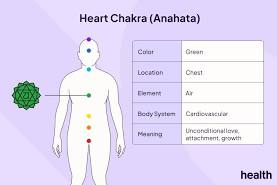
Anahata (Heart) — Center of the
- Location Center the
- Color: Green ( pink)
-: Air
Key: Love, compassion, forgiveness, connection
Balanced indicators: Open-heartedness,, healthy relationships - Imbalance indicators: Guardedness, jealousy, resentment
- Practices to balance: Loving-kindness meditation, forgiveness exercises altru, self-care deep breathing
Vishuddha (Throat) — Throat region
-: Throat
- Color: Blue
- Element: EtherSpace)
- Key qualities: Communication truth, expression
- Balanced indicators: Clear, active listening authentic speaking
- Imbalance indicators: Verbal inconsistency, fear of speaking, tension
- Practices to balance: dialogue, journaling, singing or chanting, mindful listening
Ajna (Third Eye) — Fore, between the eyes
Location: Between the eyebrows
- Color: Indigo
- Element Light- Key qualities Intuition, insight, imagination
- Balanced indicators: Strong intuition, clarity, purposeful vision
Imbalance indicators Confusion, daydreaming without action, disconnect from reality - Practices to balance: Meditation, visualization, journ dreams, quiet reflection
Sahasrara (Crown) — of the head
- Location:op the head-: Violet or
Element Thought (spirit) - Key qualities: connection universal awareness,ence
- Balanced indicators: Sense of belonging to something greater, peaceful detachment, expanded consciousness
- Imbalance indicators: Disconnection, material, cynicism- Practices to: Silent contemplation prayer or contemplation, mindfulness gratitude practice
How to work with the chakras
- with grounding: Establish a stable daily routine and mindful breathing to anchor energy, especially at the root chakra.
Move through the system: Progress upward, allowing each chakra to be acknowledged and balanced before proceeding to the next. - Use complementary: Meditation,work, mindful (yoga or qigong), journaling, and nature time support chakra balancing- Personalize your approach: Colors, mantras, and activities can be adapted to fit individual resonance and cultural context- Seek guidance needed: A qualified teacher or practitioner can provide tailored exercises and feedback.
Signs of balanced chakras
- A sense of self and emotions
-, communication and healthy boundaries
Creative flow and productive action - Compassionate relationships and inner peace
- Consistent energy levels and physical vitality
- Strong intuition and clear perspectives
daily routines to support balance
- Morning grounding: minutes of deep, diaphragmatic breathing while visualizing stable root extending into the
- Midday check-in: Brief body scan to notice any or unease and release it through a gentle stretch
- Evening reflection: 10 minutes of gratitude or-setting to nurture the crown and heart chakras
- Weekly practice A20–30 yoga movement session focusing on hip flexors and spine to sustain and sacral balance
This framework offers a practical, accessible approach understanding and nurturing the body’s centers